
Creating a
Ki Ora NZ Community

"Empowering the next generation - Teaching resilience, cultural appreciation, and community wellness to youth to build a brighter, more compassionate future."
It is crucial to teach youth resilience, cultural appreciation, and community wellness for several reasons:
-
Resilience: Life is full of challenges, and young people need to be equipped with the skills to cope with adversity and overcome obstacles. Resilience is the ability to bounce back from setbacks and maintain a positive attitude despite difficult circumstances. Teaching youth resilience helps them develop the tools to navigate challenges and develop a sense of self-confidence and self-efficacy.
-
Cultural appreciation: The world is becoming increasingly diverse, and it is essential for young people to appreciate and understand different cultures. By learning about different cultures, youth can develop empathy, respect, and appreciation for others, which can help build bridges between different communities and reduce prejudice and discrimination.
-
Community wellness: The health and well-being of a community are interconnected, and young people play an important role in promoting community wellness. By learning about community resources, youth can develop the skills to advocate for positive change, promote healthy living, and support the well-being of those around them.
In summary, teaching youth resilience, cultural appreciation, and community wellness helps them develop the skills and attitudes needed to become productive and engaged members of society. It also helps create a more tolerant, inclusive, and healthy community for everyone. Ki Ora NZ delivers free wellness workshops to assist our Rangatahi (youth) 14-24 years.
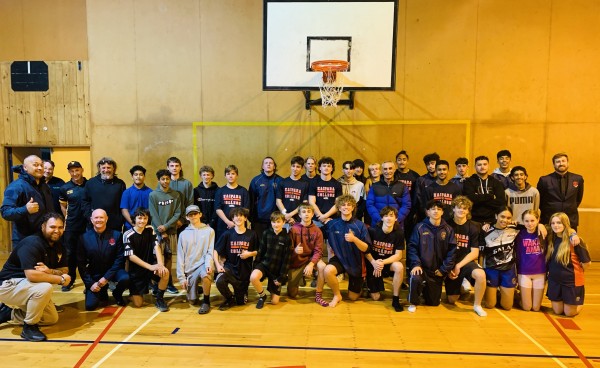

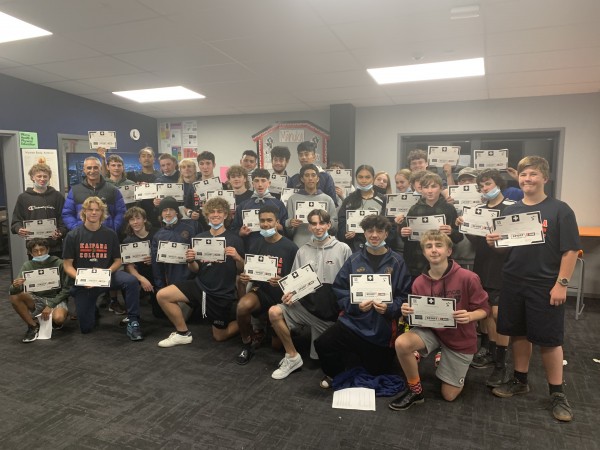
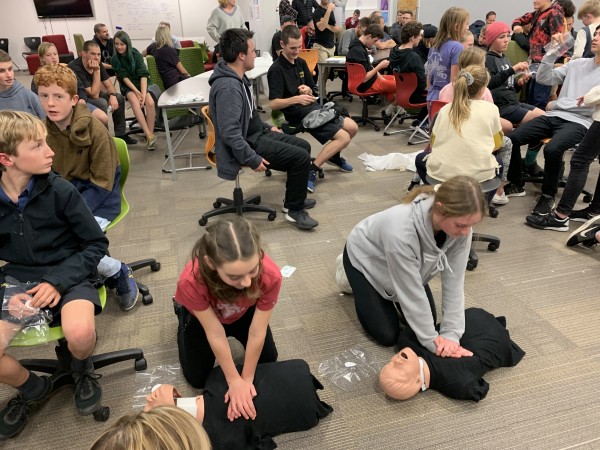

"Empowering the next generation through cultural leadership: One young person at a time, we can create a more inclusive and connected community."
Teaching cultural leadership skills to rangatahi (young people) can have a significant impact on addressing bullying, gender differences, and racism in a community. Ki Ora NZ facilitates cultural leadership skills that can contribute to positive change:
-
Increased cultural understanding: When young people are taught to appreciate and respect other cultures, they are less likely to engage in behaviors that perpetuate racism and discrimination. By fostering empathy and understanding, cultural leadership skills can help reduce the incidence of bullying and discrimination.
-
Enhanced communication skills: Effective communication is an essential part of cultural leadership. When young people are taught to communicate effectively, they are better equipped to express their ideas, listen to others, and resolve conflicts peacefully. This can be especially important in addressing gender differences, where communication barriers can sometimes hinder effective dialogue.
-
Empowerment: Cultural leadership skills can empower young people to take an active role in creating positive change in their communities. When young people are taught to recognize and challenge discrimination and bullying, they become more confident in their ability to speak out and take action.
-
Role models: When rangatahi are taught cultural leadership skills, they can become positive role models for others in their community. By demonstrating respect, inclusivity, and empathy, they can inspire others to adopt similar behaviors and attitudes.
In summary, teaching cultural leadership skills to rangatahi can help address issues of bullying, gender differences, and racism in a community. By fostering understanding, communication, and empowerment, cultural leadership skills can create a more inclusive and respectful community for all.